Services for Small Businesses in USA: The Only Guide You'll Need in 2026
Are you putting money into your website every single month and still not seeing it show up on Google? You’re posting content, maybe even running some ads, and yet your phone isn’t ringing the way you hoped it would. Your website traffic was the same. Or worse, or maybe even lower than when you started.
I’ve been in digital marketing for years, and I’ve personally helped small businesses across the USA go from being completely invisible on Google to ranking on the first page and actually getting leads and calls because of it. I’ve worked with businesses in home services, healthcare, law, restaurants, retail, and more. So when I tell you that SEO is the single most powerful long-term investment a small business can make, I’m not just saying it to sound smart. I’m saying it because I’ve seen it work. Hundreds of times.
So here’s what I’m going to do. I’ll walk you through exactly how you should understand, evaluate, and use SEO services for your small business in the USA in a smart way. With no fluff and no vague advice. Just a clear and honest breakdown which you can use starting today.
My top pick for SEO services? BrandNexa Infotech and I’ll tell you exactly why later in this post. But first, let’s talk about what’s actually going on with your business online.
Why Small Businesses in the USA Are Losing to Competitors Online Right Now
Let me ask you something honestly. When was the last time you searched for a product or service and went to page two of Google to find it? If you’re like most people, you probably didn’t. And your customers are exactly the same.
The Brutal Reality: 75% of Users Never Scroll Past Page One
Here’s a number that should shake you up a little bit. According to research from HubSpot, around 75% of people never scroll past the first page of Google search results. That means if your business is sitting on page two or page three, you are essentially invisible to three-quarters of your potential customers. And not just invisible, but completely non-existent in their minds.
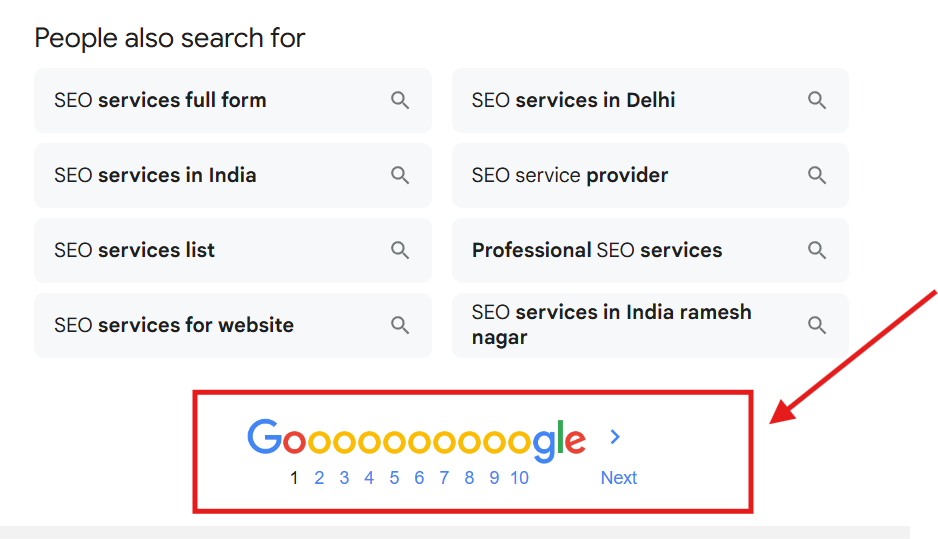
Think about what that means for you. Your competitor who is ranked at position number one is getting all those calls, all those website visits, all those enquiries every single day. And you’re not. That’s a gap that gets bigger and bigger every single month that you don’t fix it.
What Happens When Your Competitor Ranks #1 and You Don't
I want you to picture this very clearly. Someone in your city types in something like “best plumber near me” or “affordable dentist in [your city]” or “home cleaning service USA.” Your competitor pops up at the top. Your potential customer clicks on them. They call them. They book with them. And you? You never even knew that person existed.
That one search, multiplied by hundreds and thousands of searches every single month, is your competitor growing their business while you sit still. And the painful part is, it’s not always because they’re better than you. It’s because they invested in SEO and you haven’t yet.
The #1 result on Google gets around 27.6% of all clicks, according to a study by Backlinko. The second result gets around 15%. By the time you reach position five, you’re getting less than 7%. And after position ten? Basically nothing.
The Hidden Cost of Ignoring SEO for Your Small Business
Here’s what most small business owners don’t calculate. They say, “SEO is expensive, I can’t afford it.” But what’s the cost of NOT doing SEO?
Let’s say your average customer is worth $500. And let’s say your competitor’s website brings in just 20 new customers per month from organic search. That’s $10,000 every single month going to your competitor and away from you. Over 12 months, that’s $120,000 in lost revenue. All because you didn’t rank on Google.
That is the hidden cost of ignoring SEO. And when you see it like that, suddenly the investment in professional SEO services doesn’t sound expensive at all. It sounds like the smartest thing you could possibly do.
What Are SEO Services for Small Businesses And Why Are They Different?
SEO stands for Search Engine Optimisation. In plain English, it means making your website show up higher on Google when people search for things related to your business. But not all SEO is the same and this is a point that a lot of agencies won’t tell you upfront.
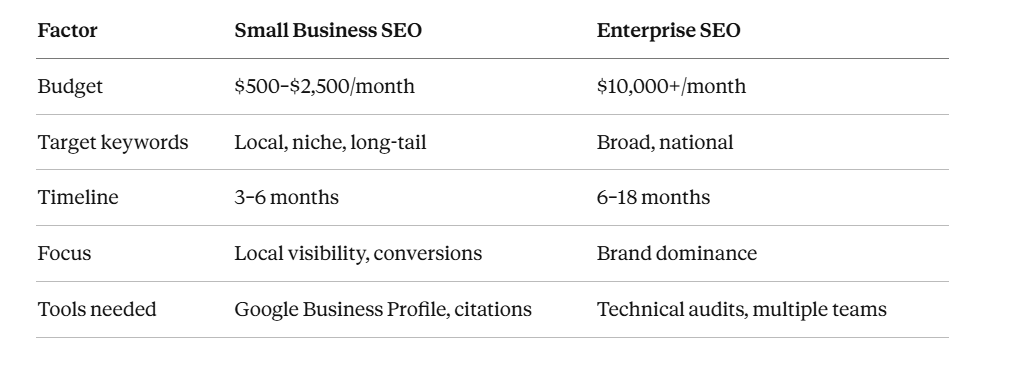
Small Business SEO vs. Enterprise SEO: A Side-by-Side Breakdown
When a giant company like Amazon or Walmart does SEO, they have entire teams, massive budgets, and years of domain authority built up. They can afford to target broad, highly competitive keywords and wait 12 to 18 months for results.
You, as a small business owner, cannot do that. And honestly? You don’t need to.
Small business SEO is smarter and more targeted. Instead of going after “shoes” (which Amazon dominates), a small shoe boutique in Dallas should go after “handmade leather shoes Dallas” or “custom boots for women Texas.” These are called long-tail keywords longer, more specific search phrases that have lower competition but much higher buying intent.
Local SEO vs. National SEO: Which One Does Your Business Actually Need?
This is a question I get asked all the time, and the answer is simpler than you think.
Local SEO is for businesses that serve customers in a specific geographic area. A restaurant, a law firm, a plumber, a dentist, a retail store these all need local SEO. The goal is to show up when someone nearby searches for what you offer.
National SEO is for businesses that sell products or services across the entire country like an e-commerce store, a SaaS product, or an online coaching programme.
Most small businesses in the USA need local SEO. And the good news is, local SEO is actually more achievable and affordable than national SEO. You don’t need to compete with the whole country. You just need to dominate your city or your neighbourhood.
The 7 Core SEO Services Every Small Business in the USA Must Have
Not all SEO services are created equal. Some agencies will try to sell you on fancy packages that sound impressive but don’t actually move the needle. Let me break down the seven things that genuinely matter for small business SEO in 2026.
1. Local SEO & Google Business Profile Optimisation
If you do nothing else, do this. Your Google Business Profile (GBP) formerly known as Google My Business is your single most powerful local SEO tool. It’s what shows up in the map section when someone searches for a local business. If your GBP is not fully optimised, you are leaving enormous amounts of traffic and leads on the table.
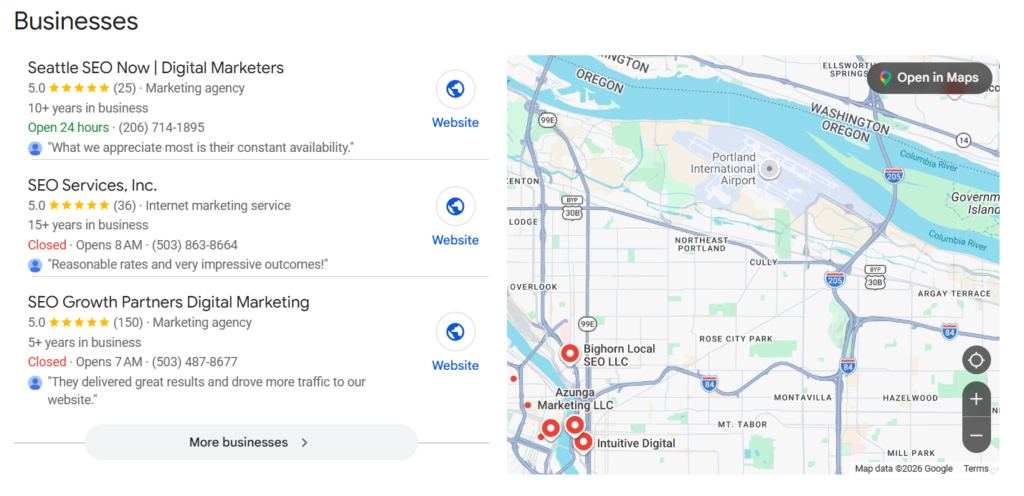
A fully optimised GBP includes your correct business name, address, and phone number (NAP), your business hours, photos of your work, your service areas, a keyword-rich description, and regular posts and updates. It also needs reviews lots of them, and well-responded to.
At BrandNexa Infotech, this is one of the first things we tackle for small business clients. Because the results from a properly set-up GBP can be seen within weeks, not months.
2. Keyword Research Tailored to Small Business Budgets
Keyword research means finding out exactly what words and phrases your target customers are typing into Google. Not what you think they’re typing, but what they actually are.
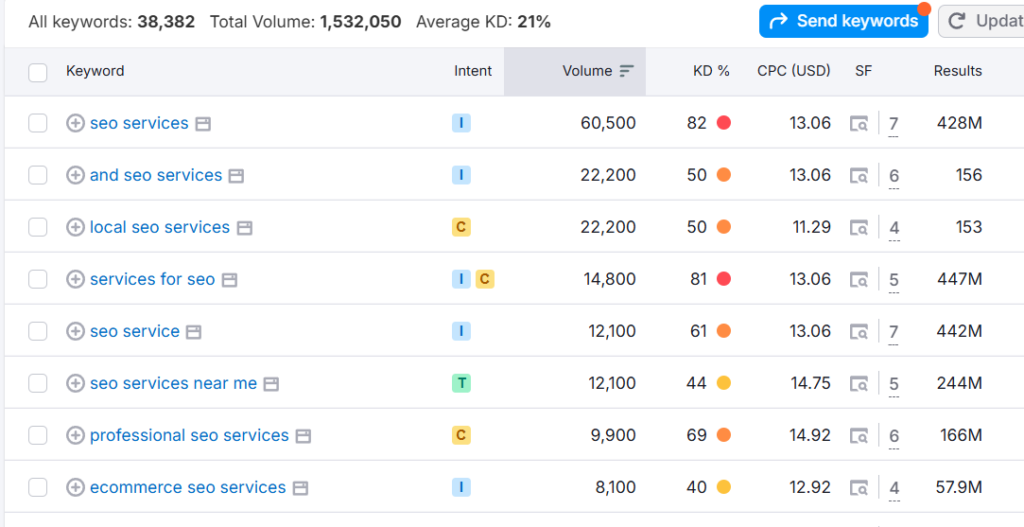
For a small business on a tight budget, keyword research is even more critical. Because you don’t want to spend time and money chasing keywords that are too competitive. You want to find keywords that have decent search volume but low enough competition that you can actually rank for them within a realistic timeframe.
A good SEO agency will build you a keyword map a prioritised list of target keywords matched to specific pages on your website rather than just throwing everything at the wall and hoping something sticks.
3. On-Page SEO: What to Fix on Your Website Right Now
On-page SEO refers to everything you do on your actual website pages to help Google understand what each page is about. This includes your title tags (the blue clickable text in search results), your meta descriptions (the grey summary text below), your heading structure (H1, H2, H3 tags), your image alt text, your internal links, and your actual content.
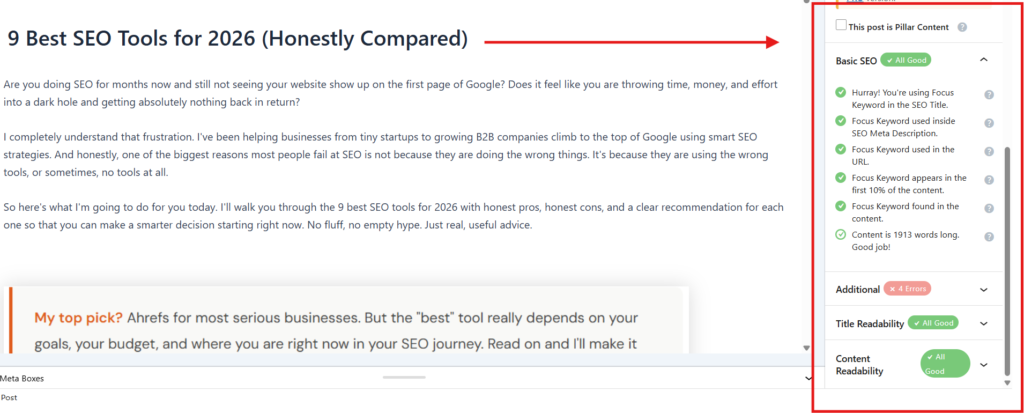
In my experience, the majority of small business websites I review have on-page SEO that is either completely missing or done incorrectly. Missing title tags. No H1 headings. Images with no alt text. Pages with thin content that Google simply doesn’t trust enough to rank.
Fixing on-page SEO is often where you see the fastest wins. Because you’re fixing problems that are actively holding your site back.
4. Technical SEO: The Foundation Nobody Talks About
Technical SEO is about making sure your website is built in a way that Google can actually crawl it, read it, and index it properly. Think of it as the foundations of your house. If the foundations are cracked, it doesn’t matter how beautiful the walls and the roof look.
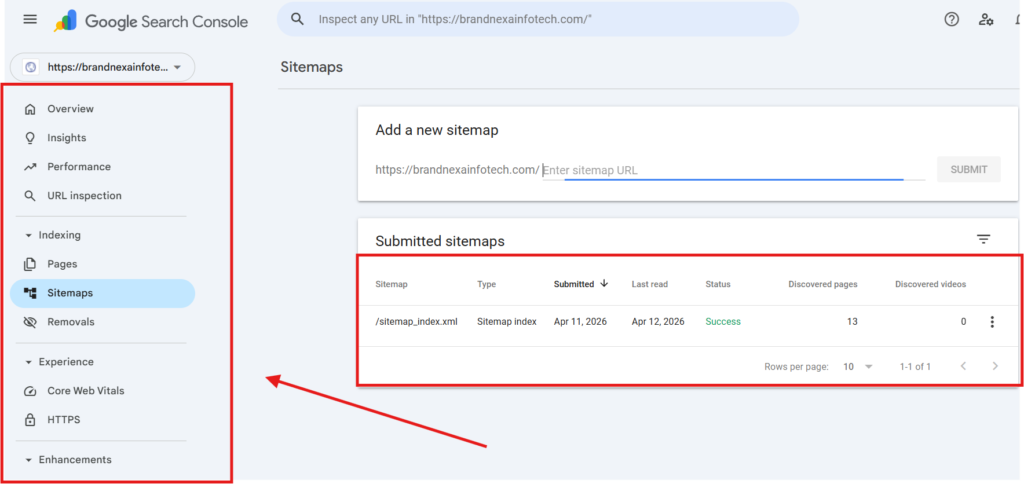
Technical SEO covers things like your website speed, your mobile-friendliness, your SSL certificate (the little padlock in the browser), your XML sitemap, your robots.txt file, and your site architecture. It also covers fixing broken links, duplicate content issues, and redirect errors.
This stuff might sound technical and boring and honestly, it is. But it’s absolutely non-negotiable. Google has made it very clear that sites with poor technical health will not rank well, no matter how good the content is.
5. Content Marketing & Blog Strategy That Drives Real Traffic
Content is still king in 2026. But not just any content. I mean content that is written specifically to answer the questions your target customers are asking on Google.
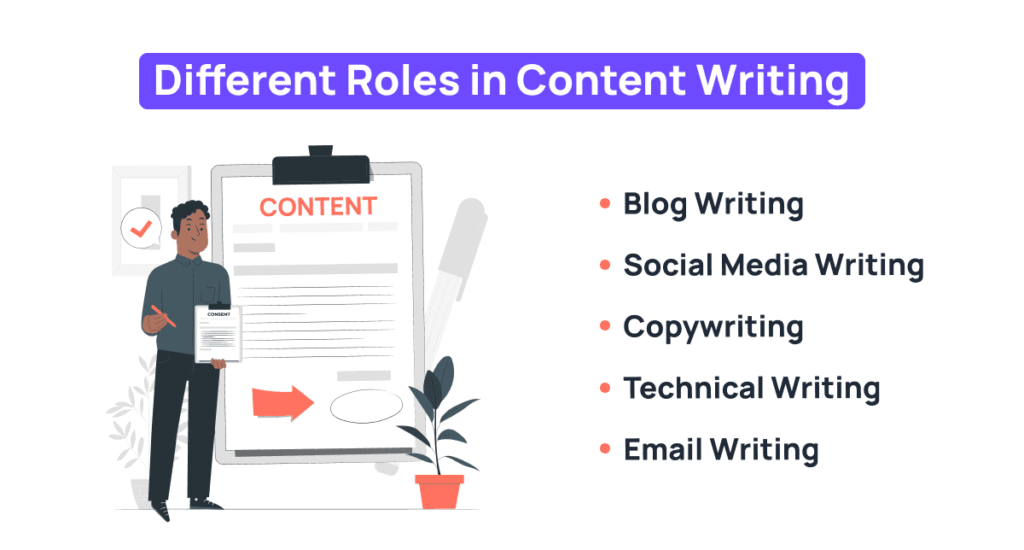
A well-planned blog strategy does two things. First, it brings in organic traffic from informational searches people who are researching their problem before they buy. Second, it builds trust and authority so that by the time someone is ready to make a purchasing decision, they already feel like they know and trust you.
For a small business, I personally prefer a focused blog strategy maybe two or three high-quality, deeply researched articles per month rather than pumping out thin, low-value content every single day. Quality beats quantity every single time.
6. Link Building: How to Earn Authority Without Getting Penalised
A backlink is when another website links to your website. Google sees backlinks as votes of confidence the more high-quality sites that link to you, the more Google trusts your site, and the higher it ranks you.
But here’s where a lot of businesses get into trouble. They buy cheap, spammy backlinks from shady websites, and Google penalises them for it. Their rankings tank. Their traffic disappears overnight.
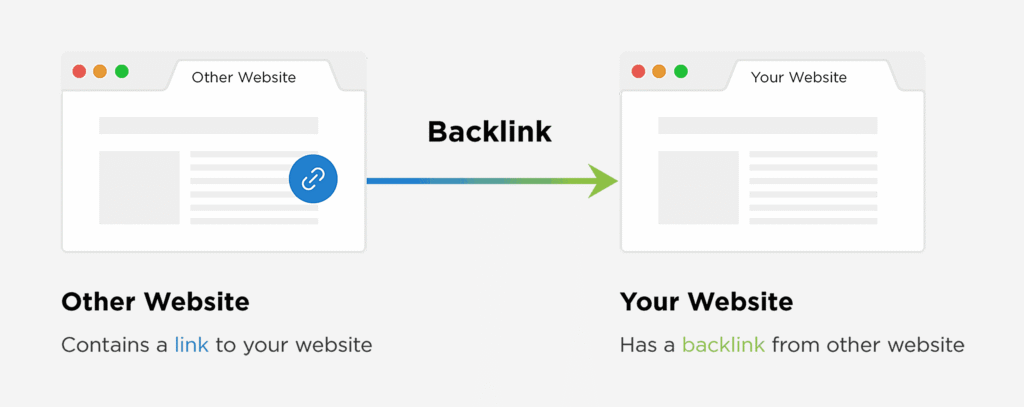
Ethical link building the kind that actually works long-term means earning links through genuine outreach, creating shareable content, getting featured in local press, and building relationships with other businesses in your community.
The bottom line: One backlink from a respected, relevant website is worth a hundred links from random, low-quality directories.
7. Reporting & Analytics: Knowing What's Actually Working
This one doesn’t get enough attention, but it’s critically important. How do you know if your SEO is actually working if nobody is showing you the data?
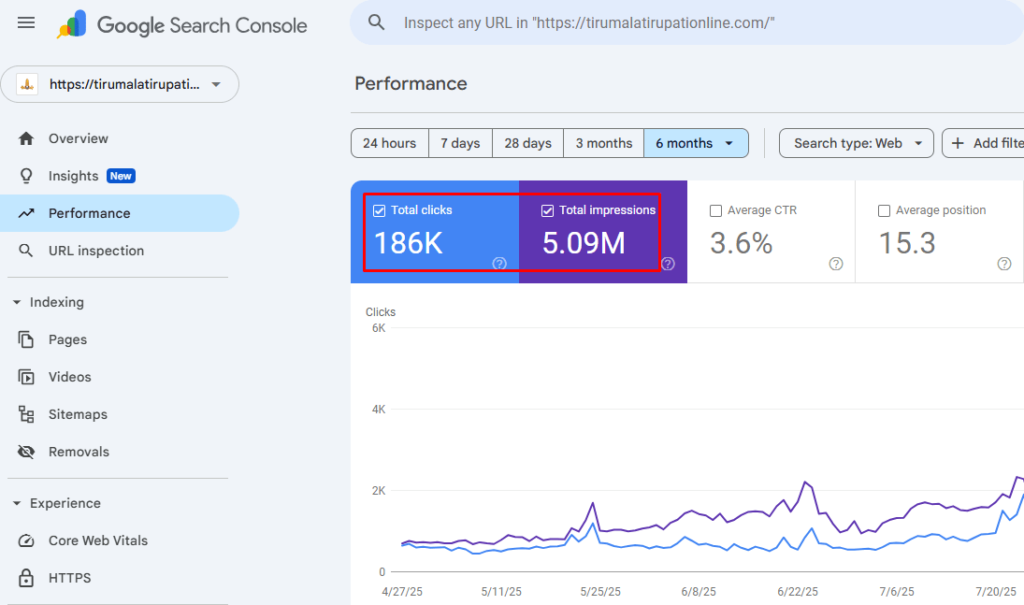
A good SEO agency will send you clear, easy-to-understand monthly reports showing you your keyword rankings, your organic traffic, your website leads, and your Google Business Profile insights. They’ll tell you what’s working, what’s not, and what they’re going to focus on next month.
At BrandNexa Infotech, transparent reporting is something we take very seriously. Because you should never have to wonder whether your SEO investment is paying off.
How Much Do SEO Services Cost for Small Businesses in the USA?
I know this is the question you’ve been waiting for. And I’m going to give you a real, honest answer not a vague “it depends.”
The Real Price Breakdown: Cheap vs. Affordable vs. Premium SEO
Cheap SEO ($100–$400/month): Be very careful here. At this price point, most agencies are either using outdated tactics, running automated link schemes, or outsourcing to very low-quality writers. I’ve seen businesses get penalised by Google because of cheap SEO. The cost of recovering from a Google penalty is far higher than doing it right the first time.
Affordable SEO ($500–$1,500/month): This is the sweet spot for most small businesses in the USA. At this price, you can get a solid SEO strategy that covers local SEO, on-page optimisation, content creation, and basic link building. BrandNexa Infotech offers SEO services starting at just $15/hour, which makes professional, quality SEO genuinely accessible even for very small businesses and startups.
Premium SEO ($2,000–$5,000+/month): For highly competitive industries or businesses looking to dominate a large city, premium SEO makes sense. This includes aggressive content strategies, high-authority link building, and dedicated account management.
Monthly Retainer vs. One-Time SEO Audit: What Should You Choose?
A one-time SEO audit is a snapshot of what’s wrong with your website right now. It’s useful as a starting point, but it doesn’t actually fix anything. Think of it like getting a health check from your doctor but then refusing to take the medicine.
A monthly retainer is where the real work happens. SEO is not a one-time fix it’s an ongoing process of optimisation, content creation, link building, and keeping up with Google’s algorithm updates. Monthly retainers provide consistency and long-term growth.
For most small businesses, I recommend starting with a monthly retainer that includes both a full initial audit and an ongoing strategy.
How to Calculate ROI on SEO Before You Spend a Single Dollar
Here’s a simple formula you can use right now to figure out whether SEO makes financial sense for your business:
- Find out how many monthly searches there are for your main keywords in your area (use Google Keyword Planner it’s free).
- Estimate 5–10% of those searches converting into website visitors if you rank on page one.
- Estimate 2–5% of those visitors becoming actual leads.
- Multiply the number of leads by your average deal value.
- Compare that number to the monthly cost of SEO.
If the potential revenue is significantly higher than the cost and for most local businesses, it is then SEO is a no-brainer investment.
Best SEO Services for Small Businesses in the USA (2026 Edition)
I’ve done my research, and I’ve put together a genuinely useful breakdown of the best SEO services for small businesses in the USA right now. Let me be upfront I’ll always give you honest pros and cons, even for agencies I recommend.
If you’re a small business owner in the USA looking for an SEO partner that genuinely understands your budget, your goals, and your need for real results, then BrandNexa Infotech is my top recommendation.
BrandNexa Infotech is a full-service digital marketing agency that offers SEO, website development, and lead generation all under one roof. What makes them stand out is that their pricing is genuinely affordable for small businesses. SEO services start at just $15 per hour, which means you get professional, data-driven SEO without paying enterprise-level prices.
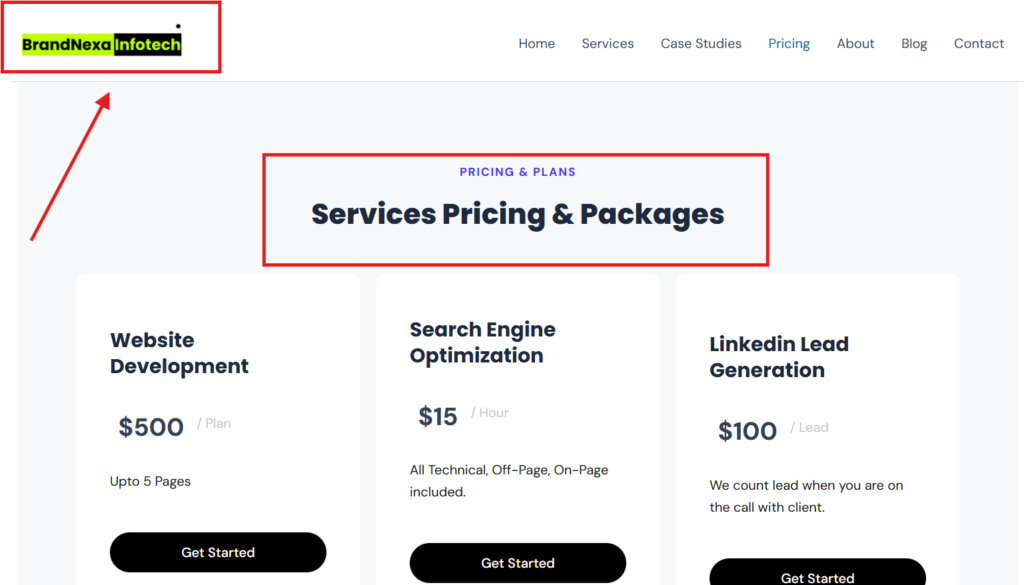
Their process is clear and transparent. They start by understanding your business and your target audience, then build a customised strategy that covers on-page SEO, technical SEO, off-page SEO, and even AI optimisation which is becoming critically important in 2026. They provide regular, easy-to-understand reports so you always know exactly where your money is going and what results you’re getting.
They work with clients across the USA and beyond, and their entire process is remote and online so no matter where you’re located, you can access the same quality of service.
Pros: Affordable hourly pricing, full-service (SEO + web dev + leads), transparent reporting, AI optimisation included, works with small businesses and startups.
Cons: Best suited for businesses willing to commit to an ongoing SEO strategy rather than one-off quick fixes.
WebFX is one of the larger, more well-known SEO agencies in the USA. They’re known for their proprietary marketing technology platform, MarketingCloudFX, which uses data and machine learning to drive campaign decisions.
Pros: Strong data and analytics capabilities, large team, detailed reporting.
Cons: Pricing can be high for very small businesses. Minimum monthly spend tends to be on the higher end.
Victorious focuses heavily on customised SEO strategies rather than template-based packages. They do a thorough competitive analysis before building out any plan.
Pros: Truly custom strategies, strong focus on ROI, transparent process.
Cons: Not the most budget-friendly option for very small businesses just starting out.
Boostability is specifically designed for small businesses and is one of the more affordable national SEO providers. They work through white-label partnerships with many smaller agencies.
Pros: Affordable, focused on small businesses, has a large network.
Cons: Quality can be inconsistent because of the white-label model. Less personalised service.
Thrive is known for their detailed and transparent client reporting. They offer a full suite of digital marketing services alongside SEO.
Pros: Excellent client communication, strong reviews, comprehensive service offerings.
Cons: Can be harder to reach for smaller clients given the agency’s size.
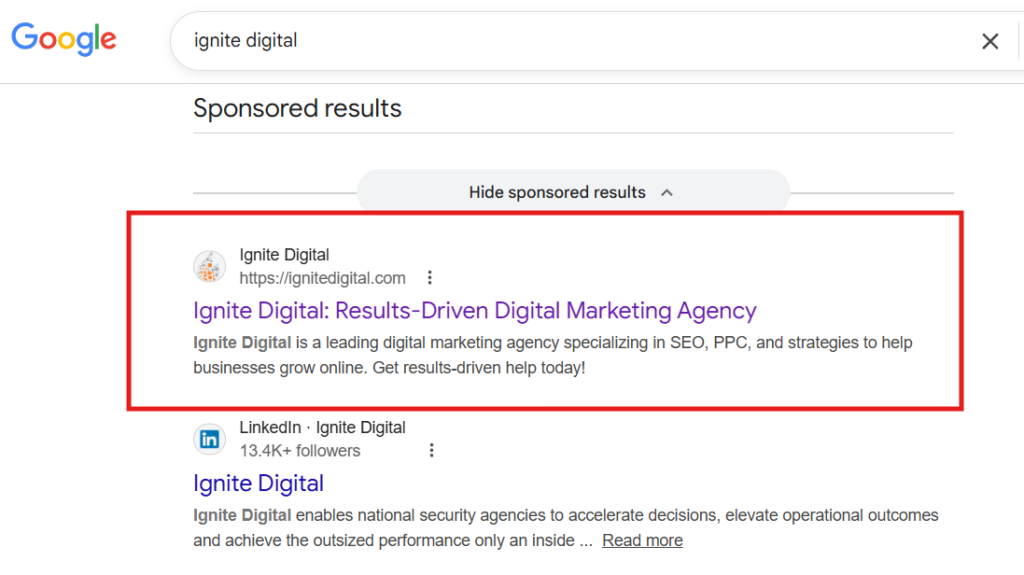
Ignite Digital specialises in local SEO and has a strong track record of helping businesses rank in their specific geographic markets.
Pros: Deep local SEO expertise, strong Google Business Profile optimisation, good for location-based businesses.
Cons: Less strong on content-heavy national SEO campaigns.
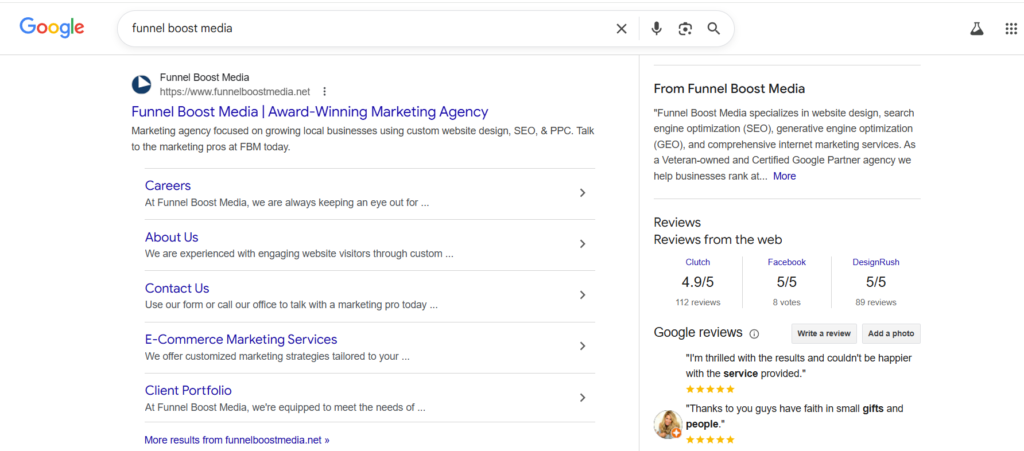
Funnel Boost Media focuses on SEO with a primary goal of generating actual leads not just traffic. Their strategies are built around conversion.
Pros: Conversion-focused SEO, great for service businesses, strong local SEO capabilities.
Cons: Mostly focused on certain verticals (home services, legal, medical).
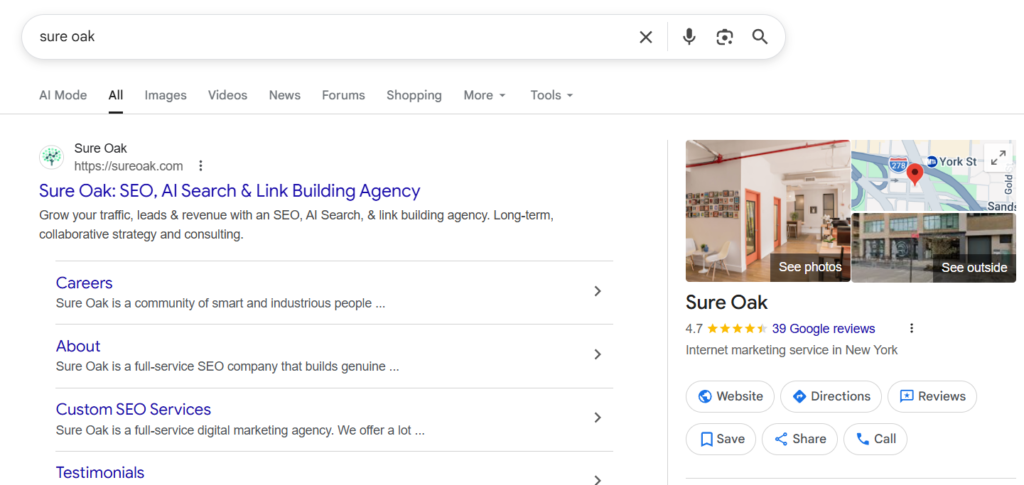
Sure Oak takes a very long-term approach to SEO, focusing on building genuine authority over time through quality content and ethical link building.
Pros: White-hat methodology, strong content strategy, good for businesses thinking long-term.
Cons: Results may take longer to appear compared to more aggressive agencies.
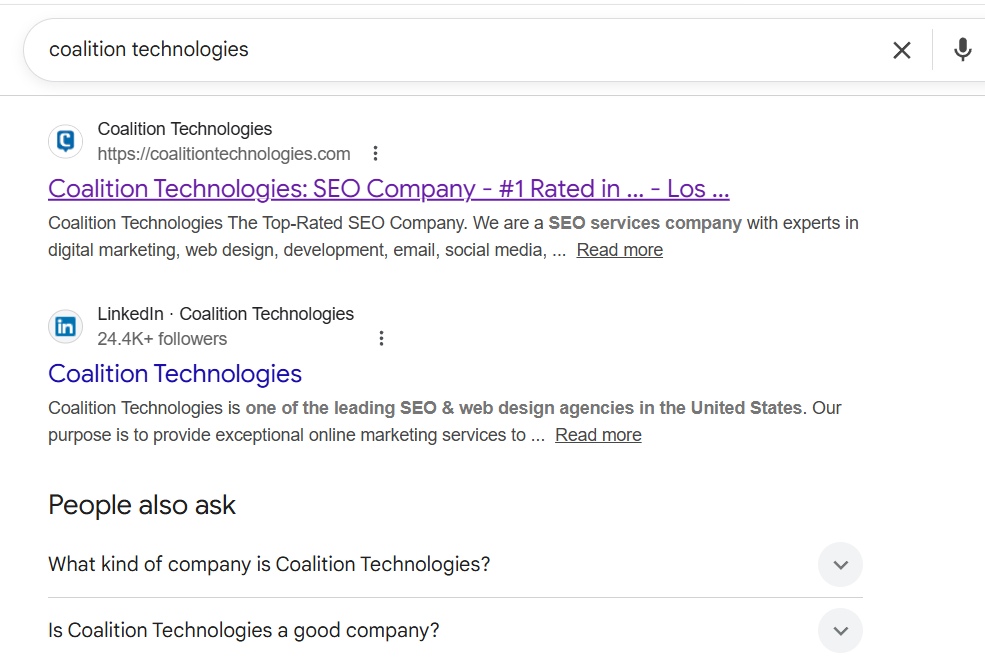
If you run an e-commerce business, Coalition Technologies has specific expertise in this space particularly with Shopify, WooCommerce, and Magento.
Pros: E-commerce specific SEO expertise, strong technical team, data-driven approach.
Cons: Not the best fit for service-based local businesses.
Straight North specialises in helping B2B companies generate leads through SEO and is known for their focus on measurable sales leads rather than just traffic.
Pros: B2B focused, lead tracking capabilities, strong in mid-market B2B.
Cons: Primarily focused on B2B may not suit B2C small businesses as well.
OuterBox combines SEO with conversion rate optimisation (CRO), meaning they don’t just try to bring traffic to your site they try to make sure that traffic converts into actual sales.
Pros: CRO + SEO combined approach, strong for e-commerce, data-focused.
Cons: More expensive than average, primarily suited for established businesses.
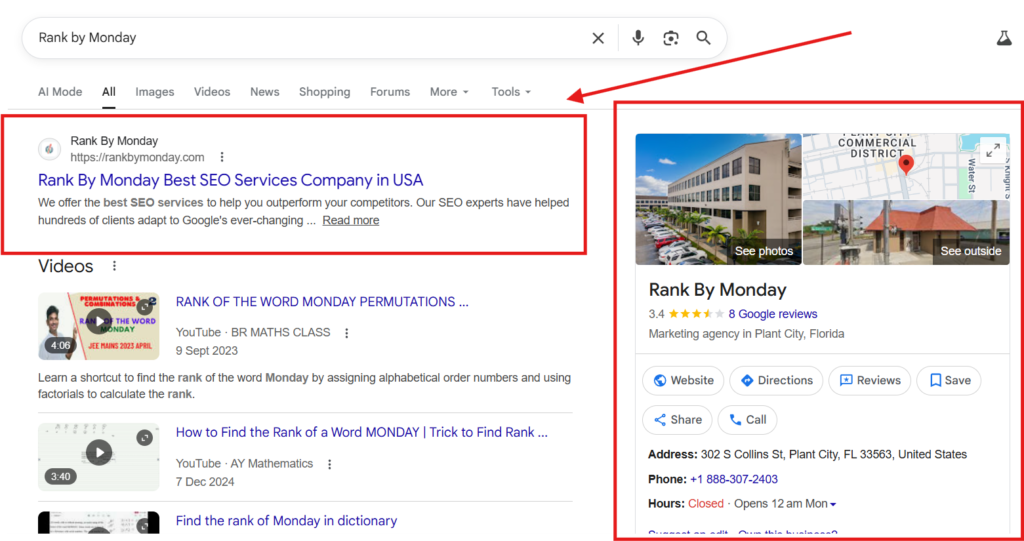
Rank by Monday offers flexible, fast-moving SEO services that are well-suited to startups and new businesses that need to see quick initial wins while building for the long-term.
Pros: Good for new businesses, flexible packages, straightforward communication.
Cons: Smaller team, so capacity can sometimes be limited.
Best Local SEO Services for Small Businesses by Industry
Different industries have very different local SEO needs. Let me break it down for you by the most common small business categories.
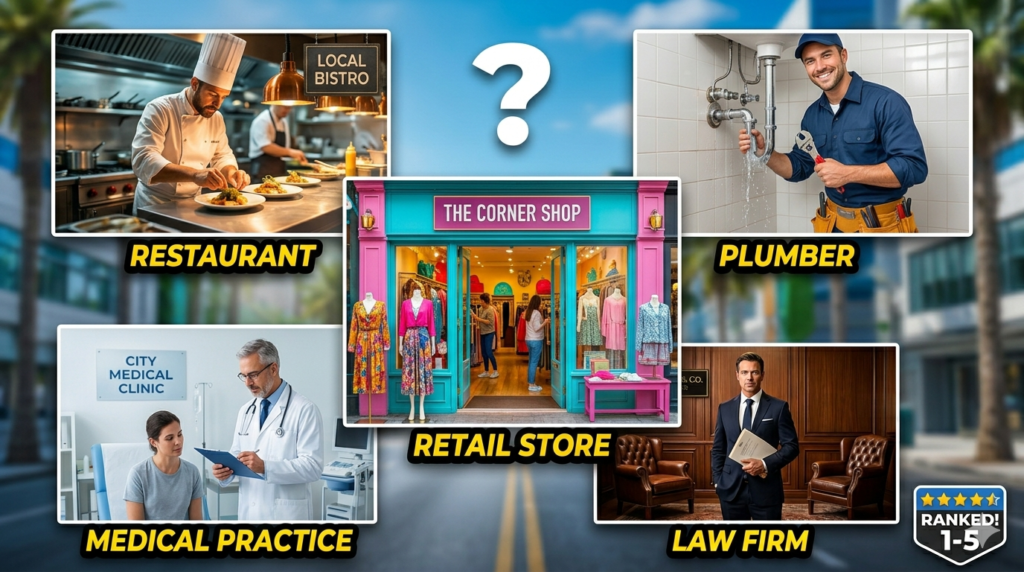
1. Local SEO for Restaurants & Food Businesses
For restaurants, local SEO is everything. Most food business customers make decisions based on “near me” searches on Google Maps. Your Google Business Profile needs to be absolutely perfect with high-quality photos, accurate hours, a full menu listed, and dozens of positive reviews with personal responses.
Keywords like “best [cuisine type] restaurant in [city]” and “restaurants open near me” are your targets. And having a website with locally-optimised pages for your location is essential.
2. Local SEO for Home Services (Plumbers, HVAC, Electricians)
Home services is one of the most competitive local SEO spaces in the USA. But also one of the most rewarding because service calls are high-value transactions.
The key for home services is showing up in Google’s Local Pack (the map results) for emergency and high-intent searches like “emergency plumber [city]” or “HVAC repair near me.” This requires a strong GBP, consistent NAP citations, and service area pages on your website.
3. Local SEO for Healthcare & Medical Practices
Healthcare SEO requires extra care because Google applies what they call “Your Money or Your Life” (YMYL) standards to medical content. This means the quality of your content and the trust signals on your site need to be at a very high level.
For medical practices, reviews are absolutely critical. Patients trust other patients more than they trust advertising. Getting your patients to leave honest, detailed reviews on Google is one of the most powerful things you can do for your local SEO.
4. Local SEO for Law Firms & Legal Services
Legal is one of the most competitive and expensive industries for SEO in the USA. Law firms targeting broad keywords like “personal injury lawyer New York” are competing with massive firms spending tens of thousands of dollars per month.
The smart play for small law firms is to go hyper-local and hyper-specific. Think “car accident lawyer in Queens” or “DUI attorney in Fort Lauderdale” rather than going after statewide or national terms. Practice area specific pages combined with strong local citations and reviews can give a smaller firm a fighting chance.
5. Local SEO for Retail Stores & Boutiques
For retail, the strategy depends on whether you’re purely physical, purely online, or a combination. If you have a physical store, your GBP and local citations matter enormously. If you sell online, you need a blend of local and product-focused SEO.
The rise of “near me” shopping searches means that even small retail stores can capture significant foot traffic through local SEO if their online presence is properly optimised.
How to Choose the Right SEO Agency for Your Small Business
This is probably the most important section of this entire post. Because choosing the wrong SEO agency can literally damage your business. I’ve seen it happen.
7 Red Flags That Tell You to Run From an SEO Agency Immediately
They guarantee #1 rankings. Nobody can guarantee a #1 ranking on Google. Not legitimately. If an agency promises this, they’re either lying or planning to use black-hat tactics that will eventually get your site penalised.
They won’t explain what they’re doing. A good agency will explain their strategy in plain English. If they’re vague or use jargon to avoid giving real answers, that’s a serious red flag.
They only talk about traffic, not leads. Traffic that doesn’t convert into customers means nothing for your business. If an agency can’t explain how their work will generate actual leads and revenue, walk away.
Their pricing is suspiciously cheap. I mentioned this before very cheap SEO almost always means very low quality or worse, tactics that can get you penalised. You get what you pay for.
They don’t offer reporting. If an agency can’t show you regular, clear reports on what they’re doing and what results it’s producing, they have something to hide.
They use cookie-cutter strategies. Every business is different. If an agency offers the exact same package to every single client without tailoring their approach to your specific business, industry, and competition level, they’re not thinking about your success.
They ask for long lock-in contracts immediately. Reputable agencies will typically offer month-to-month arrangements or at most a 6-month initial commitment. If someone is pushing you to sign a 12-month contract before you’ve seen any results, be very cautious.
10 Questions You Must Ask Before Signing Any SEO Contract
- Can you show me examples of small businesses you’ve helped rank, ideally in my industry?
- How do you approach keyword research, and will you share the keyword strategy with me?
- What does your link building process look like, and what types of sites will you be getting links from?
- How will you measure and report on results, and how often?
- Who will actually be working on my account in-house team or outsourced?
- How do you keep up with Google algorithm updates?
- What happens to all the work you’ve done if I decide to end the contract?
- Do you have experience with my specific type of business?
- How long realistically do you think it will take to see meaningful results for my business?
- What is the exact scope of work included in my monthly retainer?
What a Good SEO Agency Proposal Actually Looks Like
A solid SEO proposal from a reputable agency will include a current audit of your website highlighting specific issues, a competitive analysis showing how you stack up against your top local competitors, a clear keyword strategy with target keywords and their search volumes, a month-by-month plan of what work will be done and when, realistic timeline expectations for results, and transparent pricing with no hidden fees.
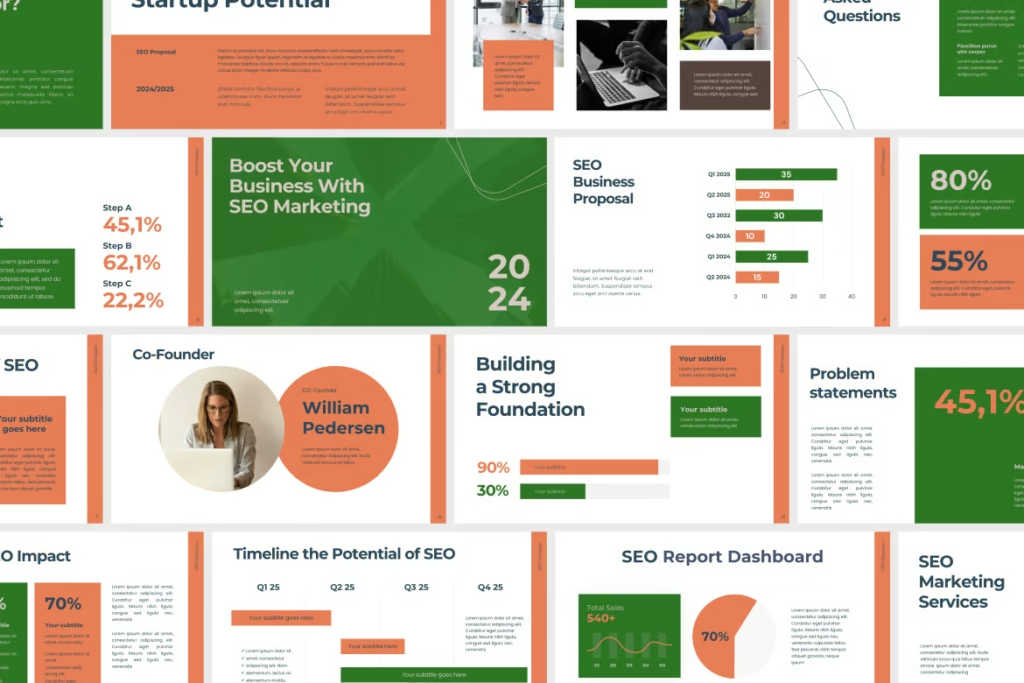
If a proposal is vague, uses generic screenshots, or doesn’t mention your specific business at all it was probably copy-pasted from another client. That tells you everything you need to know.
The Small Business Local SEO Playbook: Step-by-Step for 2026
Want to know the actual step-by-step process for dominating local SEO? Here it is. No fluff.
Step 1: Claim and Fully Optimise Your Google Business Profile
Go to business.google.com and claim your listing if you haven’t already. Then fill out every single section completely. I mean every single one. Your business name (exactly as it is in real life no keyword stuffing), your address, your phone number, your website, your hours, your services, your products, your photos (at least 10–20 high quality photos to start), your business description (use your main keywords naturally here), your attributes, and your Q&A section.
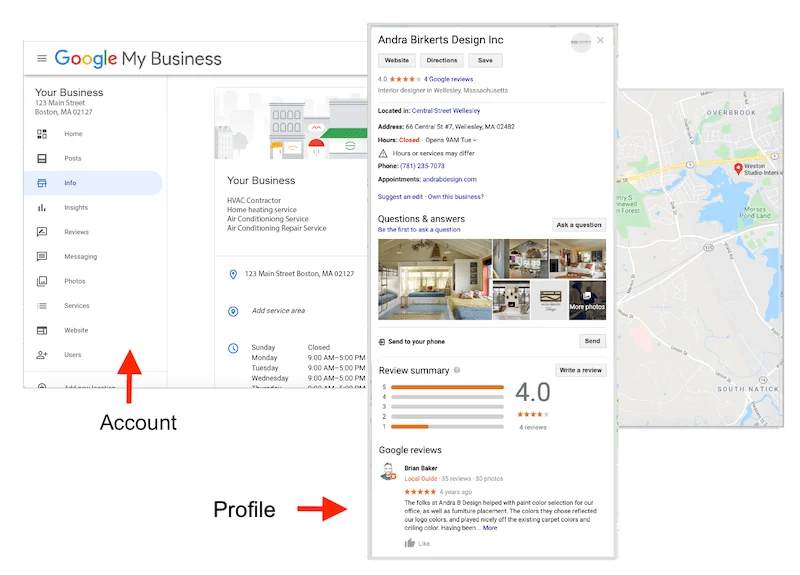
Then commit to posting updates on your GBP at least twice a week and responding to every single review good or bad within 24 hours.
Step 2 : Build Local Citations Across 50+ Directories
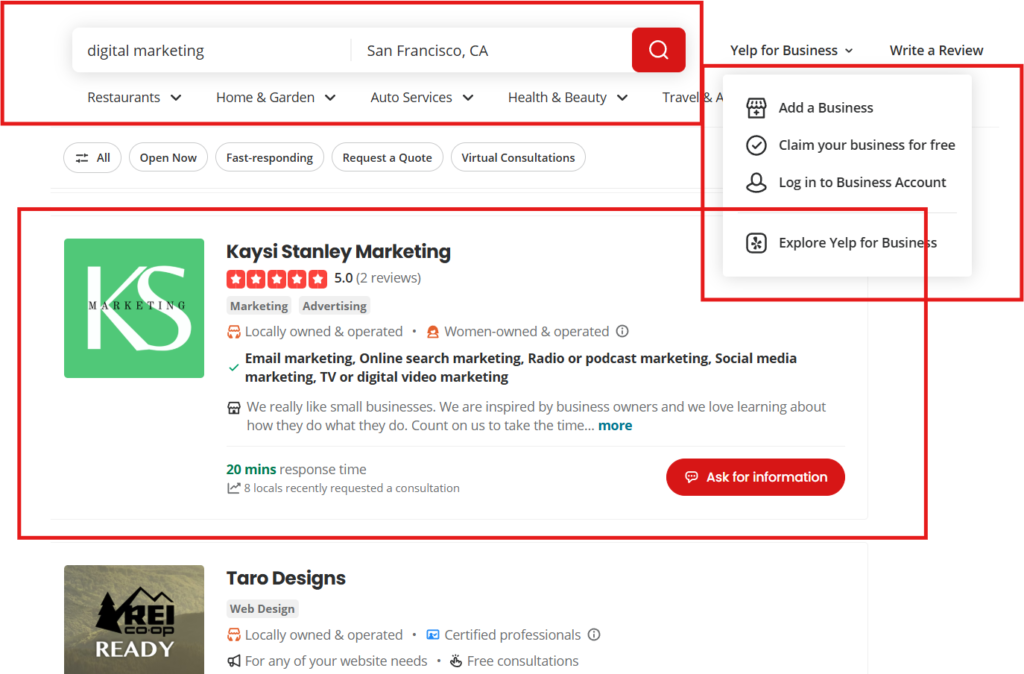
A citation is anywhere online where your business name, address, and phone number (NAP) is listed. This includes directories like Yelp, Yellow Pages, Bing Places, Apple Maps, Facebook Business, and dozens of industry-specific and local directories.
The key is consistency, your NAP information must be exactly the same across every single directory. Even small differences (like “St” vs “Street” or different phone number formats) can confuse Google and hurt your local rankings.
There are tools like Moz Local or BrightLocal that can help you build and manage citations at scale. Or you can hire a good SEO agency to do it for you.
Step 3: Create Locally-Targeted Landing Pages That Convert
If you serve multiple areas or offer multiple services, you need dedicated landing pages for each of them. So instead of just having one generic “Services” page, you’d have a page specifically for “Plumbing Services in Austin Texas” and another for “Plumbing Services in Round Rock Texas” each one targeting the specific local keywords for that area.
These pages need to be genuinely helpful and detailed, not thin, repetitive content. They should include information specific to that location, customer testimonials from clients in that area, your local contact information, and a clear call to action.
Technical SEO Checklist for Small Business Websites in the USA
I promised you no fluff, so here’s a practical checklist you can actually use.
Core Web Vitals: How to Pass Google's Page Experience Test
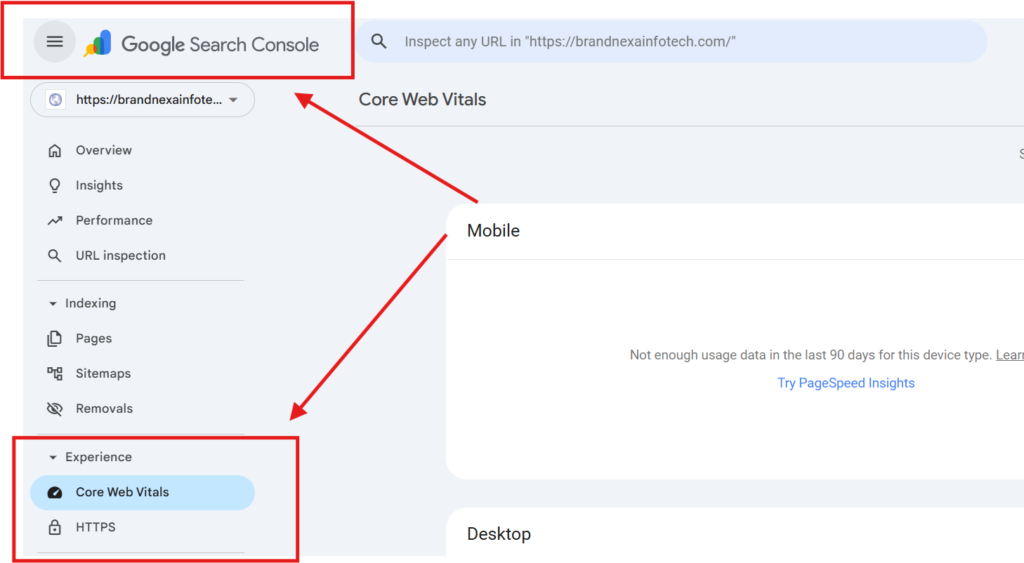
Google’s Core Web Vitals are three specific metrics that measure how users experience your website:
Largest Contentful Paint (LCP): How quickly does the main content of your page load? It should be under 2.5 seconds.
First Input Delay (FID) / Interaction to Next Paint (INP): How quickly does your page respond when a user clicks something? It should be under 200 milliseconds.
Cumulative Layout Shift (CLS): Does your page content jump around as it loads? Your CLS score should be under 0.1.
You can check your Core Web Vitals using Google’s free PageSpeed Insights tool. If your scores are poor, common fixes include compressing images, removing unnecessary plugins, upgrading your web hosting, and enabling browser caching.
Mobile-First Indexing: Is Your Small Business Website Ready?
Google now uses your mobile website as the primary version for ranking purposes. This is called mobile-first indexing. If your website looks terrible on a smartphone, or is slow to load on mobile, it’s going to hurt your rankings full stop.
Test your website on a mobile device right now. Is the text readable without zooming? Do the buttons work easily with a thumb? Does it load quickly on a mobile data connection? If the answer to any of these is no, fixing your mobile experience should be a top priority.
Content Strategy That Powers Small Business SEO in 2026
How to Write Blog Posts That Rank AND Convert Customers
The biggest mistake I see small businesses make with their blog is writing for themselves instead of for their customers. They write about company news, award announcements, and internal updates that their target customers don’t care about at all.
Instead, write about the questions your customers are actually asking. What are their biggest problems? What are they confused about? What are they searching for before they hire a business like yours?
For every blog post, target one specific keyword phrase, answer the question completely and thoroughly, use real examples and practical tips, include clear subheadings so it’s easy to skim, and end with a clear call to action that points the reader toward your services.
Structure matters too. A post with clear H2 and H3 headings, short paragraphs, bullet points where appropriate, and a minimum of 1,500 words on topics that deserve depth, will consistently outperform thin, rushed content.
Using AI-Powered Content Without Getting Penalised by Google
AI writing tools are everywhere in 2026, and yes, many businesses are using them to produce content faster. But Google has made it very clear they are not against AI-generated content per se, but they are against low-quality, unhelpful content, regardless of whether a human or an AI wrote it.
The safe approach is to use AI as a first draft tool and a research assistant, but then have a knowledgeable human refine it, add real experience and genuine insights, fact-check all the claims, and make it truly useful for the reader. Content that is purely AI-generated with no human input or expertise tends to be generic, lacks genuine depth, and often gets filtered out by Google’s helpful content system.
Link Building for Small Businesses: What Actually Works in 2026
Local Link Building Tactics Any Small Business Can Execute
Link building doesn’t have to be complicated or expensive. Here are tactics that genuinely work for small businesses:
Sponsor local events. Many local community events, sports teams, and charities will link back to sponsors from their websites. Even one link from a well-known local organisation can be genuinely valuable.
Partner with complementary businesses. If you’re a wedding photographer, get a link from a wedding venue. If you’re a nutritionist, get a link from a local gym. These contextually relevant links are gold.
Join your local Chamber of Commerce. Chamber websites have decent domain authority and almost always link to member websites.
Submit to local business directories. Beyond the big national ones, there are usually city-specific and industry-specific directories that are worth being listed in.
Create genuinely useful local resources. A local guide, a neighbourhood resource, or an industry-specific FAQ can attract organic links naturally over time.
How to Get Featured in Local Press and Industry Publications
Getting a mention or a link from a local newspaper, a local blog, or an industry publication can be a significant boost to your SEO and your credibility. And it’s more achievable than most small business owners think.
The secret is to give journalists something worth writing about. A unique local study or survey with interesting data. A story about a remarkable customer experience. A comment on a trending local issue from the perspective of a local business expert. Being genuinely helpful to journalists responding quickly, providing good quotes, being easy to reach goes a very long way.
You can also use services like HARO (Help a Reporter Out) where journalists post requests for expert sources and you can pitch your expertise.
SEO for Small Businesses in the Age of AI Search (GEO in 2026)
This is the section most SEO guides aren’t talking about yet. And it’s becoming critically important.
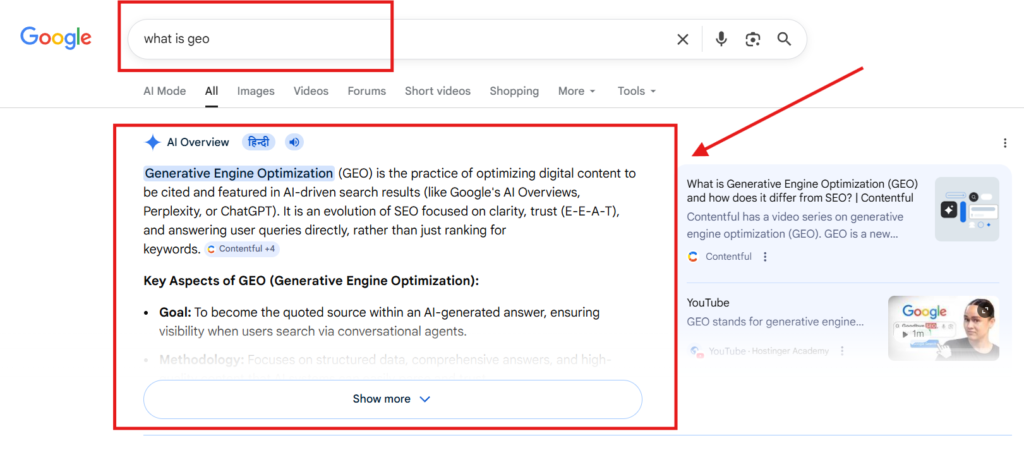
What Is Generative Engine Optimisation and Why Small Businesses Should Care
You’ve probably noticed that when you search on Google now, you often see an “AI Overview” at the very top of the results a summary generated by Google’s AI. And tools like ChatGPT, Perplexity, and Google Gemini are becoming more and more popular as search tools in their own right.
Generative Engine Optimisation (GEO)
Generative Engine Optimisation (GEO) is the practice of optimising your online presence not just for traditional Google search results, but also to be cited and referenced by AI-generated search answers.
For small businesses, this matters because if someone asks ChatGPT or Perplexity “who is the best plumber in [your city]?” you want your business to be mentioned in that response. And that happens when your website has strong, authoritative, comprehensive content that these AI systems can pull from.
How to Optimise Your Business for ChatGPT, Perplexity & Google AI Overviews
To be cited by AI search tools, your website content needs to be comprehensive and genuinely authoritative on your topic. Answer questions completely. Use structured data markup (Schema.org) to help AI systems understand your business details. Ensure your business is listed and accurate on all major platforms that AI tools use as data sources Google, Yelp, Wikipedia, and industry-specific databases.
Make sure your Google Business Profile is fully optimised and has a high review rating, as AI tools frequently reference GBP data for local business queries. And publish content that directly answers the most common questions people ask in your industry because AI tools love to pull from FAQ-style, well-structured content.
Google Business Profile Optimisation: Your Local SEO Secret Weapon
Here’s a checklist you can print out and go through for your GBP right now:
- Business name (exact legal name, no keyword stuffing)
- Complete address with correct service area settings if you travel to customers
- Primary phone number (local number preferred)
- Website URL
- Primary and secondary business categories (choose the most accurate ones)
- Business description (750 characters, include your main keywords naturally)
- Products and/or Services listed with descriptions and pricing if applicable
- Business hours (including special hours for holidays)
- At least 10 photos (exterior, interior, team, work examples, products)
- Regular GBP posts (weekly is ideal)
- Q&A section pre-populate with common questions and answers
- Reviews actively encourage and respond to all of them
- Messaging turned on if you’re able to respond promptly
How to Get More Google Reviews (And Actually Respond to Them)
Reviews are one of the most powerful ranking factors for local SEO. But also one of the most underutilised by small businesses.
The simplest way to get more reviews is to simply ask. Create a short direct link to your Google review page and send it to every customer after you complete a job. You can put it in your email signature, on your receipts, on your follow-up text messages, and even on a card you hand to customers.
When responding to reviews and I mean every single one, positive and negative be genuine, be timely, and be professional. A thoughtful response to a negative review can actually turn a potential customer who reads it into a supporter, because it shows you care.
SEO Tools Every Small Business Owner Should Be Using (Free & Paid)
Free SEO Tools That Punch Above Their Weight
Google Search Console: Absolutely essential and completely free. Shows you what search terms people are using to find your site, which pages are ranking, and any technical errors Google has found.
Google Analytics 4: Tracks your website traffic, where it comes from, which pages get the most visits, and how long people stay. Priceless data.
Google PageSpeed Insights: Shows you how fast your website loads and gives specific recommendations for improvement.
Google Keyword Planner: Good for finding keyword ideas and search volume data, especially when you’re just starting out.
Google Business Profile Insights: Built into your GBP dashboard shows you how many people are finding your listing, calling you, and clicking to your website.
Paid SEO Tools Worth Every Penny for Small Teams
Ahrefs ($99+/month): In my experience, one of the most comprehensive SEO tools available. Excellent for keyword research, backlink analysis, and competitor research.
SEMrush ($129+/month): Another industry-leading tool with strong keyword tracking, site audit, and competitive intelligence features.
BrightLocal ($29+/month): Specifically designed for local SEO tracks your local rankings, manages citations, and monitors your GBP performance. Excellent value for local businesses.
Surfer SEO ($89+/month): Brilliant for content optimisation it analyses the top-ranking pages for your target keyword and gives you very specific guidance on how to structure and write your content to rank.
Common SEO Mistakes Small Businesses Make (And How to Fix Them Fast)
Let me go through the most common SEO mistakes I see small business owners making, and tell you exactly how to fix each one.
Mistake #1: Ignoring their Google Business Profile. Fix: Spend two hours fully completing every section of your GBP this week.
Mistake #2: Having a slow website. Fix: Run your site through Google PageSpeed Insights and implement the top three recommendations. Compress your images, remove unused plugins, and consider upgrading your hosting.
Mistake #3: Writing content for search engines instead of humans. Fix: Write to genuinely help your reader, not to stuff in keywords. Google’s AI is very good at telling the difference.
Mistake #4: Not building any backlinks. Fix: Start with the easy wins local citations, Chamber of Commerce membership, partnerships with complementary businesses.
Mistake #5: Having inconsistent NAP information across the web. Fix: Do a search for your business name and audit every listing. Make sure your name, address, and phone number are identical everywhere.
Mistake #6: Not tracking results. Fix: Set up Google Search Console and Google Analytics 4 today if you haven’t already. Free, essential, and takes about 20 minutes.
Mistake #7: Giving up too early. SEO takes time. Most small businesses who say “SEO didn’t work for me” actually quit before it had a chance to work. The businesses that commit and stay consistent are the ones that win.
How Long Does SEO Take to Work for a Small Business in the USA?
This is probably the most honest answer I can give you: SEO is not fast. But it is worth it.
Month-by-Month SEO Timeline: What to Realistically Expect
Month 1: Technical SEO audit, keyword research, GBP setup, on-page fixes begin. At this stage, you won’t see much change in rankings yet.
Month 2: First content pieces go live. Citation building underway. Initial backlink outreach begins. You might start to see some movement on lower-competition keywords.
Month 3: More content published. Some keywords start appearing on page two or three. GBP insights start improving more views, more calls. This is where clients often start to feel the momentum.
Month 4–6: Real traction begins. More keywords hitting page one. Organic traffic starts growing noticeably. Lead enquiries from organic search begin coming in.
Month 6–12: Consistent growth. Multiple keywords on page one. Significant increase in organic traffic and leads. ROI becomes very clear.
Month 12+: This is where the compounding effect of SEO becomes really powerful. Your authority is established, your content is ranking, and the leads coming in each month far exceed the investment you’re making.
The key insight here is this: the businesses that invest in SEO consistently for 12 months and beyond almost always see a tremendous return. The ones that quit at month three almost never do.
DIY SEO vs. Hiring an SEO Agency: An Honest Comparison
When DIY SEO Makes Sense for Your Small Business
DIY SEO makes sense if you have more time than money, you enjoy learning digital marketing, you’re in a genuinely low-competition local market, and you’re willing to invest significant time in learning we’re talking 5 to 10 hours per week minimum.
If that’s you, start with Google Search Console, Google Analytics, and the free courses at Google’s Digital Garage. Learn the basics of on-page optimisation, set up your GBP properly, and start writing genuinely helpful content for your target keywords. It’s absolutely possible to make real progress with DIY SEO if you’re disciplined about it.
When You Absolutely Need to Hire a Professional SEO Agency
You need a professional SEO agency if you’re in a competitive industry or city where your competitors are all investing in SEO already. If you don’t have the time to learn and execute a consistent SEO strategy. If you’ve tried DIY SEO for 6 months and haven’t seen results. If you need fast, consistent lead generation to keep your business growing.
The honest truth is that for most small business owners, time is their scarcest resource. Every hour you spend trying to learn and do SEO yourself is an hour you’re not spending running your business, serving your clients, or growing your team. For many businesses, the ROI of hiring a professional agency one that knows exactly what they’re doing far outweighs the cost.
Frequently Asked Questions About SEO Services for Small Businesses in the USA
What is the best SEO service for small businesses in the USA?
The best SEO service depends on your specific business, industry, location, and budget. For small businesses looking for an affordable, full-service partner with transparent reporting, BrandNexa Infotech is my top recommendation. They offer professional SEO starting from $15/hour and genuinely customise their strategy to each client.
How much should a small business budget for SEO per month?
A reasonable budget for small business SEO in the USA is between $500 and $2,000 per month for ongoing services. BrandNexa Infotech’s hourly model lets you start even smaller and scale up as you see results, which is a very smart approach for businesses that are just getting started.
Is SEO worth it for a very small or new business?
Yes in fact, SEO can be even more valuable for very small or new businesses because it levels the playing field. A new local business with smart SEO can outrank a larger, older competitor that hasn’t invested in their online presence. The earlier you start, the greater the compounding advantage.
How do I know if my SEO is actually working?
Track these key metrics: organic traffic (in Google Analytics), keyword rankings (in Google Search Console or a paid tool), Google Business Profile impressions and calls, and the number of leads or enquiries coming from organic search. A good SEO agency will provide all of this in a regular report.
Can I do SEO myself or do I need an agency?
You can absolutely do some SEO yourself especially GBP optimisation, on-page basics, and content creation. But for more technical SEO, link building, and competitive keyword targeting, working with a professional agency will almost always produce faster and better results.
What's the difference between local SEO and regular SEO?
Local SEO focuses specifically on making your business visible to people searching in your geographic area particularly through Google Maps and local search results. Regular (or national) SEO focuses on ranking for keywords regardless of location. Most small businesses need local SEO first and foremost.
How do I find affordable SEO services without sacrificing quality?
Look for agencies that offer hourly or flexible pricing rather than large fixed packages. Check their reviews and ask for case studies from businesses similar to yours. Avoid anyone offering guaranteed rankings or extremely cheap flat-rate packages. BrandNexa Infotech’s $15/hour model is specifically designed to give small businesses access to professional-quality SEO without the big-agency price tag.
Final Verdict, The Best SEO Services for Small Businesses in USA in 2026
We’ve covered a lot of ground together in this guide. And I hope that by now, you have a clear picture of what SEO really is, why it matters so deeply for small businesses in the USA, and exactly how to get started whether you do it yourself or partner with a professional.
Here’s my final honest verdict.
SEO is not optional in 2026. If your competitors are investing in it and you’re not, they will keep winning and you will keep losing ground. It is that simple and that serious.
The good news? You don’t need a massive budget to get started. You just need the right partner who understands small business realities, builds a strategy tailored to your specific goals, and executes consistently with full transparency.
That’s exactly what BrandNexa Infotech does. From comprehensive on-page and technical SEO, to off-page link building, to AI optimisation for the new era of search they cover everything a small business needs. And at a price point that actually makes sense for businesses that are growing, not enterprises with unlimited budgets.
My Key Takeaways:
- 75% of users never go past page one of Google if you’re not there, you’re essentially invisible to most of your potential customers.
- Small business SEO is different from enterprise SEO it needs to be local, targeted, and conversion-focused.
- The 7 core SEO services every small business needs are: local SEO & GBP optimisation, keyword research, on-page SEO, technical SEO, content marketing, link building, and analytics reporting.
- Affordable, quality SEO is possible BrandNexa Infotech offers professional SEO starting at just $15/hour.
- SEO is a long-term investment real results typically begin at 3–6 months and compound significantly after 12 months.
- AI search (GEO) is the next frontier start optimising for ChatGPT and Google AI Overviews now before your competitors do.
Now I want to hear from you. Where is your small business right now with SEO? Are you just getting started, stuck on page two, or have you already seen some wins that you’d like to build on? Let me know in the comments below I personally read every single one.
And if you’re ready to stop guessing and start getting real results from SEO, I’d strongly encourage you to visit BrandNexa Infotech and get a free consultation today. Tell them exactly where your business is right now, and they’ll tell you exactly what it’s going to take to get you where you want to be
Hire BranNexa Infotech for digital marketing at just $15/hour.

At BrandNexa Infotech, we take care of everything like technical SEO, on-page optimisation, link building, and content, so you can focus on actually running your business. We've helped businesses go from zero Google presence to consistent monthly leads.
My Linkedin Whatsapp